Elevate Your Property With Professional General Contractor Solutions: Quality, Reliability, and Precision
Transforming a space requires careful consideration and expertise. General contractors bring a wealth of knowledge in coordinating projects, managing regulations, and delivering quality craftsmanship. Their emphasis on consistency and precision facilitates a seamless renovation experience. Understanding the nuances of hiring the right contractor can significantly impact the result. Yet, many overlook essential factors that result in successful transformations. What should one prioritize to achieve the desired outcomes?
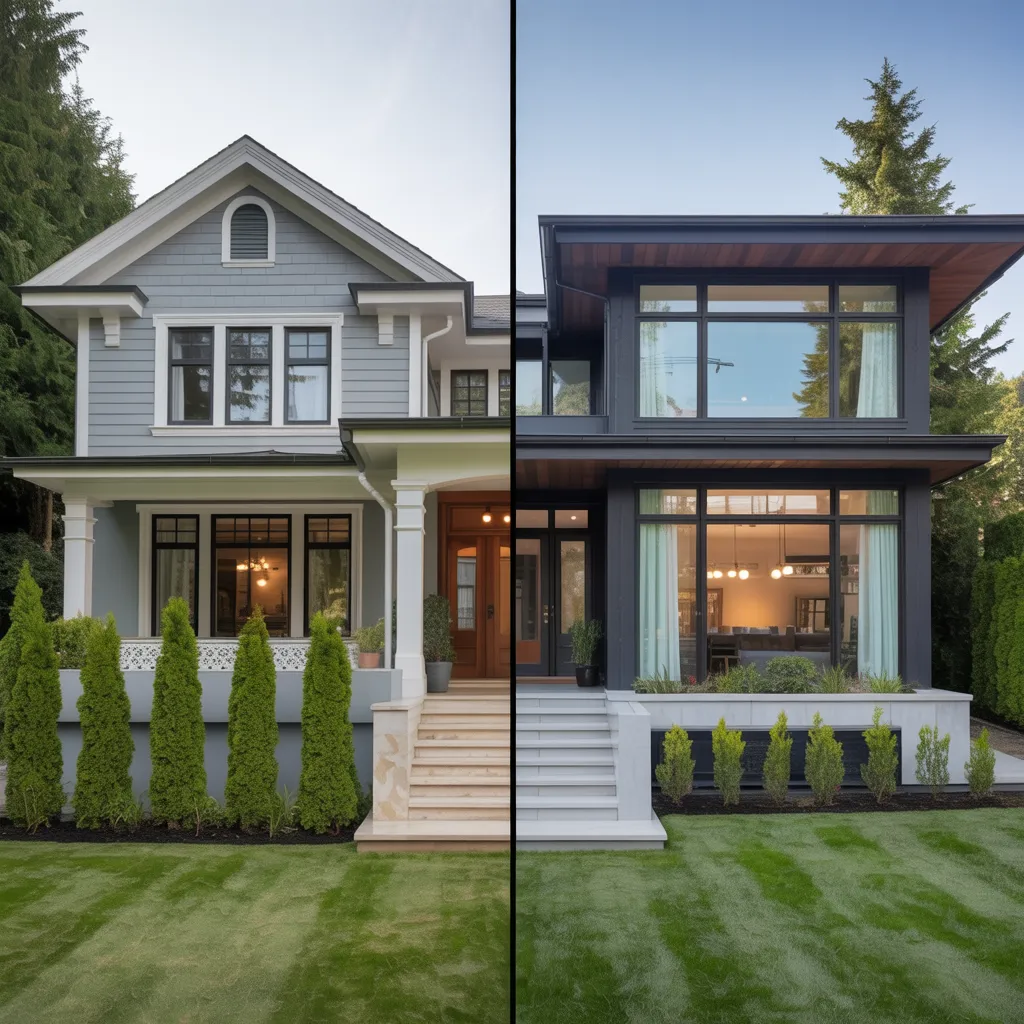
Main Reasons You Require an Professional General Contractor
Many residential and commercial property owners deal with scenarios that require the proficiency of a general contractor. Renovation projects often spark the requirement for a skilled professional, especially when modifications to the structure or substantial remodeling is part of the project. General contractors carry the comprehension to deal with community building codes and requirements, ensuring that building projects follow legal requirements.
Furthermore, when executing large-scale construction, such as commercial spaces or multi-room renovations, a general contractor can successfully manage timelines, budgets, and subcontractors. This coordination avoids costly delays and guarantees that all aspects of the project fit together seamlessly.
Moreover, some homeowners may not have the necessary skills or time to carry out complex tasks, making a general contractor an crucial asset. From preliminary planning to final inspections, their knowledge is critical in ensuring a successful outcome, therefore transforming spaces effectively and efficiently.
Why Quality Matters in Construction and Renovation
Quality stands as a cornerstone in construction and renovation projects, directly impacting the lifespan and security of structures. Superior materials and workmanship help ensure that buildings can resist environmental stressors, reducing the risk of future breakdowns or repairs. A dedication to quality also improves aesthetic appeal, increasing the overall value of the property.
Moreover, adhering to high standards during construction decreases the possibility of code violations and legal problems, encouraging a smoother project completion. Quality workmanship reflects the professionalism and expertise of the general contractor, cultivating trust between the contractor and the client.
Committing to quality not only fulfills immediate needs but also reinforces long-term goals, ensuring that spaces remain functional and inviting for years to come. In the end, the emphasis on quality in construction and renovation is vital for creating durable, safe, and visually attractive environments that stand the test of time.
How Dependability Improves Your Renovation Experience
Dependability serves a vital function in enhancing the remodeling experience by guaranteeing consistent project timelines and fostering honest communication. When clients can count on their general contractors to meet deadlines, it reduces stress and builds confidence in the process. In addition, straightforward and honest communication practices further strengthen the relationship, making the entire remodeling process more pleasant.
Dependable Work Timelines
As property owners embark on a remodeling project, the significance of consistent project timelines is paramount, as they act as a cornerstone for a streamlined renovation experience. Dependable contractors establish clear schedules, specifying each phase of the project and setting realistic completion dates. This predictability helps homeowners manage their expectations and plan for any necessary adjustments in their daily lives. Moreover, consistent timelines permit contractors to assign resources efficiently, preventing delays and guaranteeing that tradespeople are available when needed. When projects adhere to established timelines, the likelihood of budget overruns reduces, improving overall satisfaction. Ultimately, reliable scheduling fosters a sense of trust and professionalism, permitting homeowners to emphasize their vision rather than logistical concerns during the remodeling process.
Trustworthy Interaction Practices
Effective communication is a vital component of the remodeling process, firmly bound to the reliability built through consistent project timelines. When a general contractor emphasizes trustworthy communication practices, clients benefit from increased transparency and peace of mind. Regular updates, clear expectations, and open channels for feedback create a collaborative environment, empowering homeowners to communicate concerns and ask questions throughout the project. This proactive approach not only limits misunderstandings but also develops a strong relationship between the contractor and the client. Ultimately, reliable communication reinforces trust, guaranteeing that the remodeling experience is seamless and positive. By upholding these practices, general contractors can considerably increase client satisfaction, resulting in successful projects and potential referrals.
Accuracy in Implementation: The Cornerstone of Perfect Results
Reaching flawless success in construction projects relies on the precision of execution. When general contractors carefully plan each stage of a project, they ensure that every detail is managed, from measurements to material selection. This careful focus minimizes errors and improves overall quality.
Incorporating advanced methods and equipment, proficient contractors can produce precise results that align with client specifications and industry standards. Exactness also covers coordination among subcontractors, ensuring that all parties function together towards a common goal.
Moreover, strict observance of strict timelines and budgets further demonstrates the significance of precision in execution. Any deviation can cause costly delays and sacrifices in quality. By making a priority of precision, general contractors develop a strong reputation, which brings satisfied clients and repeat business. Ultimately, the pursuit of impeccable execution not only enhances the finished product but also reinforces trust in the contractor's capabilities.
Main Services Offered by Professional General Contractors
Skilled general contractors deliver a comprehensive range of services that are vital for the successful completion of construction projects. These professionals handle the entire process, from initial planning and design to the final walkthrough. Key services include project management, where they coordinate schedules, budgets, and resources to ensure timely delivery. They also provide expertise in obtaining necessary permits and complying with local regulations.
Additionally, expert general contractors oversee subcontractors, seeing to it that specialized tasks such as plumbing, electrical work, and carpentry are completed to high standards. They conduct regular site inspections to maintain quality control and tackle any issues immediately. Furthermore, these contractors present valuable guidance on material selection and sustainable practices, enhancing both functionality and aesthetics. Ultimately, their multifaceted skills and knowledge greatly enable the seamless execution of construction projects, ultimately transforming spaces in an effective and efficient manner.
Important Things to Look for When Selecting a General Contractor
When you're hiring a general contractor, multiple critical factors need to be considered to secure a successful project. Expertise and experience, along with proper licensing and insurance, are essential signs of a contractor's trustworthiness. Furthermore, effective communication abilities can greatly influence the overall efficiency and result of the construction process.
Experience And Expertise
How does one go about choosing the ideal general contractor for their construction needs? Examining the qualifications and knowledge of candidate contractors is vital.An established contractor should display a solid record of finished projects matching the client's requirements. Evaluating their portfolio can provide insights into their craftsmanship and style. The contractor's tenure in the field should also be evaluated; longevity often indicates reliability and expertise. In addition, gathering references and testimonials from prior clients can shed light on the contractor's commitment, communication approach, and troubleshooting capabilities. In the end, choosing a contractor with substantial experience guarantees the project receives proper expertise and meticulous care.
Licensing and Insurance Requirements
Licensing and insurance represent vital elements to evaluate when selecting a general contractor, providing guarantees of compliance and protection. A licensed contractor demonstrates adherence to local regulations and industry standards, ensuring quality work. Property owners should confirm the contractor's license via appropriate state or local agencies to validate its authenticity.
Insurance coverage is equally essential, as it shields both the contractor and the homeowner from potential liabilities. A reliable contractor should hold general liability insurance, which covers accidents and damages that may take place during the project. Moreover, workers' compensation insurance is critical to guard against injuries experienced by workers on-site. Before hiring, homeowners should request proof of both licensing and insurance to ensure they are making a informed decision.
Clear Communication Skills
Effective communication skills are crucial for a successful partnership with a general contractor, as they promote clear expectations and smooth project management. When hiring a general contractor, it is crucial to examine their ability to convey information effectively. This includes not only clear verbal communication but also the capacity to listen actively to client concerns and feedback. A competent contractor should provide regular updates on project progress, timelines, and any potential issues that may arise. They should be responsive to questions and willing to discuss options in depth. Moreover, transparency regarding costs and changes is vital. By emphasizing communication, clients can ensure that their vision is accurately achieved, leading to a more positive outcome and useful information a positive working relationship.
The Perks of Custom Design in Your Space Makeover
Though numerous property owners might accept conventional layouts, the true value of a space transformation lies in its customization. Customizing an area to personal tastes simultaneously improves appearance and strengthens functionality. Tailored plans permit house owners to include unique character, guaranteeing that the area mirrors their distinctive preferences and way of living.
Furthermore, customization can satisfy specific needs, such as optimizing storage or refining layout for better flow. This targeted approach yields a more optimal use of space, ultimately producing greater satisfaction. Customization also cultivates emotional connections to the home, creating an environment that feels genuinely unique.
Moreover, partnering with a general contractor experienced in customization can optimize the remodeling process. Their experience ensures that all elements are seamlessly integrated, from materials to finishes, resulting in a cohesive design. Finally, customization converts a standard space into a personalized sanctuary that embodies the homeowner's vision.
Advice for Clear Communication With Your Contractor
Effective remodeling projects depend on both customization and transparent communication between homeowners and contractors. Beginning with a clear articulation of vision and expectations helps homeowners establish effective dialogue. This clarity helps contractors understand the project scope and specific requirements. Frequent touchpoints via meetings or quick phone conversations enable both sides to resolve issues immediately.
Property owners ought to remain receptive to input, as contractors often possess valuable insights drawn from their experience. Employing visual aids, such as mood boards or sketches, can more effectively boost understanding, making sure that both parties stay synchronized throughout the project.
Moreover, keeping a written record of communications, comprising agreements and changes, is vital for accountability. Last but not least, expressing gratitude for the contractor's efforts can develop a positive working relationship, facilitating collaboration and in the end leading to a successful transformation of the space.
Frequently Asked Questions
How Do I Determine if I Need a General Contractor?
Assessing the need for a general contractor involves examining project complexity, required permits, and specialized skills. Homeowners should evaluate their budget, timeline, and experience level, as well as the project's size and potential challenges.
What Timelines Can Be Expected for Renovation Projects?
Average remodeling timelines for renovations vary significantly, usually spanning from a few weeks for small updates to several months for large-scale remodels. Factors impacting duration include work scope, required permits, and contractor availability.
Are Permits Required for All Types of Renovations?
Permits are typically needed for most renovations, specifically those involving structural alterations, electrical work, or plumbing. However, simple cosmetic updates may not necessitate permits, based on local codes and specific project details.
How Do Contractors Tackle Unforeseen Issues During a Project?
Contractors deal with unexpected issues by assessing the problem, discussing with clients, and implementing fixes. They may adjust timelines and budgets, confirming that the project remains on track while maintaining honest dialogue throughout the renovation work.
Which Payment Methods Are Offered for Contractor Services?
Contractors typically offer various payment options, including cash, credit cards, checks, and financing plans. Some may request initial deposits, while others enable staged payments throughout the work, providing flexibility for clients with varying financial circumstances.